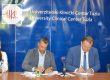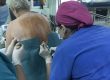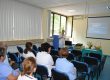


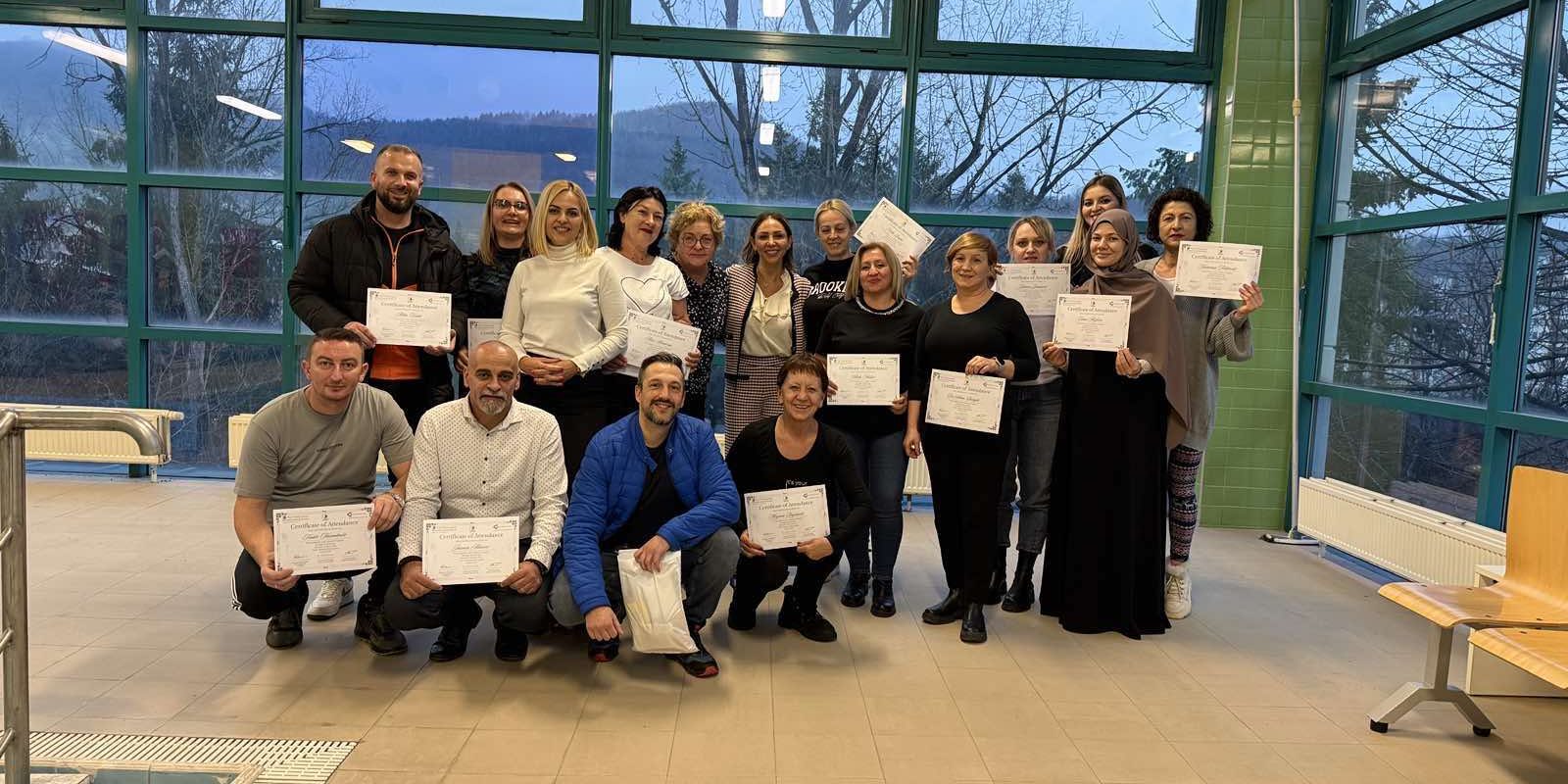
Organized by the Physiotherapy Association of the Federation of Bosnia and Herzegovina, an oncology physiotherapy workshop was held at the Clinic for Physical Medicine and Rehabilitation of the University Clinical Center Tuzla (UKC Tuzla).
The workshop was led by licensed oncology physiotherapy instructors Siobhan O’Reilly from Ireland and Dr. Dina Barakat, physiotherapist from Lebanon, and gathered participants from across Bosnia and Herzegovina.
According to Mirela Begić, mag. physiotherapy and occupational therapy and president of the Physiotherapy Association of the Federation of Bosnia and Herzegovina, the modern physiotherapy profession, through the use of specific therapeutic techniques and patient education, plays a direct and essential role in improving the recovery and overall quality of life of oncology patients. She emphasized that oncology patients often face various painful conditions and, due to limited information about available therapeutic options, are frequently deprived of advanced forms of therapeutic support.
“Rehabilitation of oncology patients is a key component of comprehensive treatment, as it significantly contributes to both functional and psychological recovery, supports a more successful return to daily activities, and promotes full reintegration into society. Through this type of education, our goal is to strengthen the capacities of health professionals in the field of oncology rehabilitation and to highlight the importance of raising awareness, among both patients and healthcare providers, about the essential role of physiotherapy in oncology care,” emphasized Begić.
During the workshop, participants had the opportunity to learn about assessment and treatment methods for patients following tumor surgery, chemotherapy, and radiation therapy, with a focus on physiotherapeutic approaches and evaluations. The program included breathing exercises, postoperative exercises, manual therapy and self-drainage techniques, as well as exercises for managing secondary lymphedema.
Upon completion of the training, participants will be equipped to apply the latest approaches and methods used in the rehabilitation of oncology patients. The benefits for patients will be reflected in faster recovery and return to daily activities, reduced pain and swelling, and a lower risk of complications, particularly related to lymphedema.