

Within the internal systematization of the Clinic for Anesthesiology and Resuscitation at the University Clinical Center Tuzla (UKC Tuzla), the establishment of a Pain Therapy Clinic was foreseen as part of the anesthesiology polyclinic. While anesthesiology and specialist outpatient services have been operational, the Pain Therapy Clinic had not previously been formally established in a legal sense.
The launch of the Pain Therapy Clinic represents a significant step toward a more patient-centered approach, with the primary goal of reducing or completely eliminating pain. This approach enables faster and easier patient recovery, shorter hospital stays, a reduced risk of infections, and overall improved treatment outcomes.
The clinic will provide initial examinations, assess the intensity and characteristics of pain, and, based on these findings, the anesthesiologist, as the team leader, will develop an individualized treatment plan for each patient. The primary target group includes patients suffering from chronic pain, and treatment will involve both pharmacological methods and a range of interventional procedures.
According to Prof. Dr. Jasmine Smajić, Head of the Clinic for Anesthesiology and Resuscitation at the University Clinical Center Tuzla, the need to establish this outpatient clinic arose from the increasing number of patients experiencing chronic pain, as well as the fact that pain management is an integral component of the specialization in anesthesiology and resuscitation.
“An initiative has been launched in which a number of physicians, with the full support of the management of our institution, have completed specialized training in regional anesthesia and pain therapy at leading centers both in the country and abroad. The Pain Therapy Clinic will begin its work once we have ensured a sufficient number of adequately trained staff.
The clinic’s activities will be based on a multidisciplinary and individualized approach to each patient. In addition to anesthesiologists and nurse technicians, specialists from other fields of medicine will be actively involved, particularly those in physical medicine. When necessary, they will participate in consultations and provide recommendations for further treatment.
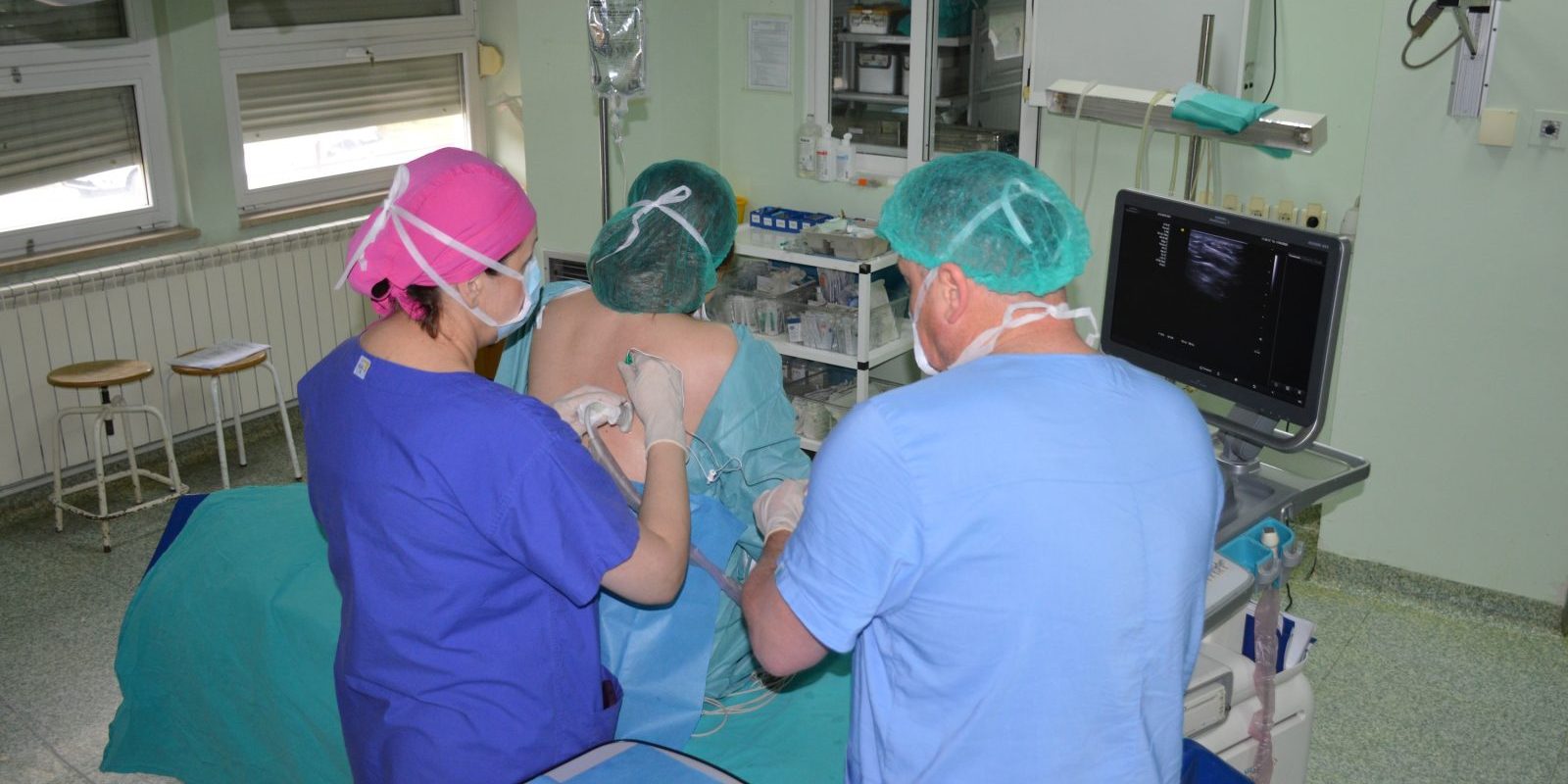
I would especially like to highlight treatment methods such as acupuncture, the local application of anesthetics and analgesics to painful areas, as well as peripheral nerve blocks performed under ultrasound guidance,” emphasized Prof. Dr. Smajić.
Psychologists and social workers will also play an important role within the multidisciplinary team, alongside specialists in surgery, orthopedics, urology, neurosurgery, neurology, and oncology, who will be involved as needed.
According to Dr. Fatima Iljazagić Halilović, specialist in anesthesiology and resuscitation, physicians at the UKC Tuzla have been continuously advancing their expertise in pain therapy since 2014.
“We have completed numerous training programs in pain therapy, as well as acupuncture, at the Clinical Hospital Center Rijeka and the Clinical Hospital Center Osijek. I would particularly emphasize training in the use of ultrasound and its application in invasive procedures in pain therapy and regional anesthesia, which are closely interconnected. Through education in regional anesthesia, we have simultaneously expanded our knowledge and competencies in pain management,” said Dr. Iljazagić Halilović.
In its initial phase, the Pain Therapy Clinic will operate twice a week, on Tuesdays and Thursdays from 11:00 a.m. to 3:00 p.m., while interventional procedures will be scheduled on Wednesdays.