

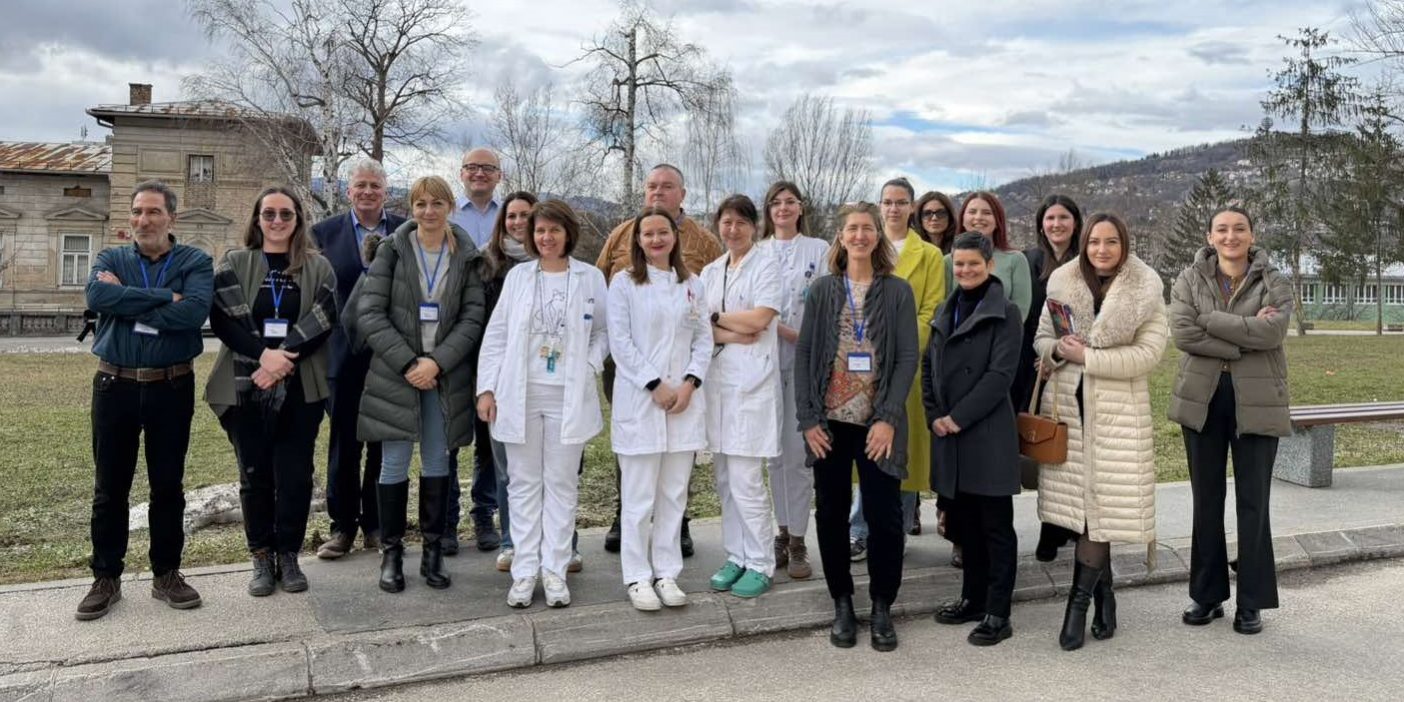
An expert workshop dedicated to the harmonization of quality control in radiodiagnostics, nuclear medicine, and radiotherapy was held in Sarajevo. The event was attended by medical physicists from the Medical Physics and Radiation Protection Service of the University Clinical Center Tuzla, Melika Damadžić, MSc in Physics, and Dušica Bijelić, BSc in Physics.
The workshop aimed to enhance and harmonize quality control practices across healthcare institutions, with a focus on ensuring high standards in the medical application of ionizing radiation. The program was led by internationally recognized experts in the field of medical physics and radiation protection: Dr. Sc. Serrenela Russo from the Association for Medical Physics AUSLTC (Florence, Italy), Dr. Sc. Prodromos A. Kaplanis, an expert in medical physics and radiation protection from Cyprus, and Prof. Dr. John Dickson from University College London (UK).
Throughout the workshop, speakers repeatedly emphasized that quality control is an essential component of the quality assurance system in the medical use of ionizing radiation. Its consistent and standardized implementation plays a crucial role in ensuring the accuracy, safety, and reliability of diagnostic and therapeutic procedures, as well as in protecting patients and professionally exposed personnel.
Special emphasis during the workshop was placed on the practical aspects of implementing quality control and quality assurance system procedures, including the interpretation of measurement results, as well as the importance of harmonizing protocols in line with current regulatory requirements and international recommendations.
A significant segment of the workshop was dedicated to interdisciplinary cooperation. Through the exchange of professional experiences and interactive discussions, the importance of close collaboration among medical physicists, physicians, medical radiology engineers, and information technology engineers was highlighted. This team- based approach was emphasized as essential for the effective implementation of quality assurance programs, optimization of radiation doses, and enhancement of overall safety and quality in healthcare services.
For the medical physicists of the University Clinical Center Tuzla, participation in this workshop represented a valuable contribution to continuous professional development and the strengthening of institutional capacities in the field of medical applications of ionizing radiation. At the same time, it reaffirmed the institution’s commitment to the consistent application of modern, harmonized standards in clinical practice.